

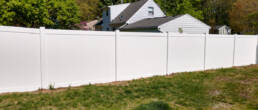
Every fence shows its age eventually, but it is not always obvious whether a few repairs will do the trick or whether it is time for a full replacement. Waiting too long to address fence damage can lead to bigger problems, from security gaps to safety hazards for kids and pets. Knowing what to look for can help you catch issues early and make a confident decision about the next step for your property.
West Michigan’s mix of humid summers, heavy snow, and repeated freeze and thaw cycles tends to accelerate wear on fencing compared to milder climates, which means signs of aging can show up sooner than homeowners expect, especially on fences that have not been consistently maintained. Below, we walk through five common signs that your fence may need attention, along with guidance on how to decide between a repair and a full replacement.
Why Fence Condition Matters More Than It Seems
A fence does more than mark a property line. It provides privacy, contains pets, keeps kids safely in the yard, and contributes to your property’s overall curb appeal. When a fence starts to deteriorate, those functions start to slip too, sometimes gradually enough that the change is easy to miss day to day. A small lean or a loose board rarely causes problems on its own, but left unaddressed, minor issues tend to compound as weather exposure continues.
Regular seasonal walkthroughs of your fence line, especially after a hard winter or a particularly wet stretch of weather, can help catch small problems before they grow into bigger ones. Spending a few minutes checking posts, hardware, and panel condition each spring can save significant time and expense compared to discovering multiple issues at once further down the road.
5 Signs It’s Time to Repair or Replace Your Fence
1. Leaning or Shifting Posts
Fence posts that lean or shift are often one of the earliest warning signs of a larger structural issue. This can happen when posts were not originally set deep enough or below the frost line, allowing seasonal freeze and thaw cycles to gradually loosen them over time. Loose soil, poor drainage around the base of a post, or ground settling can also contribute to the problem. A single leaning post may be repairable on its own, but multiple leaning posts across a fence line often point to a broader foundation issue that is worth having evaluated in person before it affects the rest of the structure.
2. Visible Rot, Warping, or Splitting
Wood fencing is especially prone to rot and warping when it is not regularly stained or sealed. Look for soft or spongy spots near the base of posts and boards, along with visible splitting or cracking along the grain. Discoloration, particularly a gray or blackened appearance near ground level, is another common early indicator of moisture damage. Rot tends to spread once it takes hold, so a few affected boards today can become a widespread issue within a season or two if left unaddressed, particularly in areas of the yard that stay shaded or hold moisture longer after rain.
3. Rust, Sagging, or Damaged Chain Link
Chain link fencing is durable, but it is not immune to wear over time. Rust spots, sagging sections between posts, and bent or damaged fabric are common signs of aging chain link fencing. Rust that starts at connection points or along the top rail often spreads faster than rust on the fabric itself, since hardware tends to trap moisture longer. In many cases, sagging sections can be re-tensioned or repaired, but heavily rusted fencing nearing the end of its lifespan is often more cost-effective to replace than to continue patching individual sections.
4. Fading, Cracking, or Discoloration in Vinyl
Vinyl fencing is known for low maintenance, but it is not entirely maintenance-free. Over many years of sun exposure, vinyl can fade or develop a chalky surface texture, especially on south-facing fence lines that receive direct sunlight most of the day. Cracking or brittleness, especially after a hard winter, can also appear in older vinyl fencing, sometimes triggered by an impact that would not have damaged a newer panel. Isolated cracked panels are often replaceable individually, but widespread discoloration or brittleness across the fence line usually signals it is nearing the end of its useful life.
5. Gaps, Missing Hardware, or Gate Issues
Gates tend to show wear before the rest of a fence, since they are used far more often and carry more moving parts. Sagging gates, missing or rusted hardware, and gaps that have opened up along the fence line are all common signs of general wear. A gate that has started to drag or no longer latches properly is often one of the first noticeable signs that a fence needs attention. These issues can often be resolved with hardware repairs or hinge adjustments, but frequent gate problems across multiple points may point to a fence that is due for a broader assessment rather than a series of one-off fixes.
Repair vs. Full Replacement: How to Decide
Deciding between a repair and a full replacement often comes down to how widespread the damage is and how old the fence already is. A fence that is otherwise in good condition with one or two isolated issues, such as a single damaged board or a leaning post, is usually a strong candidate for a targeted repair. This approach extends the life of the fence without the cost of a full replacement, and it is often the more practical choice for fences under 10 to 15 years old that have otherwise been well maintained.
On the other hand, a fence approaching or exceeding its expected lifespan, with damage spread across multiple sections, is often better served by replacement. Continuing to patch an aging fence can become a repeated cost over time, and in some cases the total cost of ongoing repairs can approach or exceed the cost of a new installation. Matching materials to an older fence can also become difficult over time, since discontinued styles, weathered coloring, or older hardware sizes are not always easy to replicate exactly, which can leave a repaired section looking noticeably different from the rest of the fence. If you are unsure which category your fence falls into, our fence cost guide for West Michigan can help you compare repair costs against new installation pricing by material.
What to Expect When You Replace an Older Fence

Replacing an aging fence is often a good opportunity to reconsider your material choice, especially if your current fence has required frequent maintenance or repairs. Homeowners moving away from wood often choose vinyl fencing for its lower long-term upkeep, while others replacing aging chain link may consider ornamental metal fencing for a more polished look. Business owners dealing with worn commercial fencing often use a replacement project to upgrade both durability and appearance at the same time through our commercial fencing services.
A full replacement also gives us the opportunity to correct any underlying issues from the original installation, such as posts that were not set deep enough or spacing that no longer meets current needs. This is particularly common with older fences throughout Middleville and surrounding rural properties, where original fencing may be decades old and due for a full update rather than another round of patchwork repairs. In many cases, a replacement project also presents a good opportunity to reassess fence height, gate placement, or layout changes that better fit how the property is used today compared to when the original fence was installed.
Simple Maintenance That Extends Fence Life
A little routine maintenance can meaningfully delay the point at which repair turns into replacement. For wood fencing, restaining or sealing every two to three years protects against moisture damage and helps prevent the early warping and rot described above. For vinyl and chain link fencing, periodic cleaning removes dirt and grime buildup that can accelerate surface wear over time, and it makes it much easier to spot small issues, like a loose fitting or a hairline crack, before they become bigger problems.
Checking gate hardware a few times a year, tightening loose hinges, and clearing plant growth or debris away from the base of posts are all small habits that add up over the life of a fence. None of these tasks take much time individually, but together they can meaningfully extend the years between a full replacement project and the last one.
Quick Checklist: Is It Time for a Repair or Replacement?
- One or two isolated issues on an otherwise sound fence usually points to a repair
- Multiple leaning posts or widespread rot often points to replacement
- Fences approaching or past their expected lifespan are typically better replaced than patched
- Frequent gate or hardware issues across multiple points may signal broader wear
- Rising repair costs over time are a sign it may be more cost-effective to replace
If you are still unsure which option makes sense for your property, an in-person evaluation is often the fastest way to get a clear answer. A quick assessment can identify whether the issue is isolated or part of a larger pattern across the fence line.
Get a Professional Assessment for Your Fence
Whether your fence needs a simple repair or a full replacement, our team can evaluate the condition of your fence and recommend the most practical, cost-effective solution for your property. We have helped homeowners and businesses throughout West Michigan repair and replace fencing of every material for more than 20 years.
Not sure if your fence needs repair or replacement? Request a Free Estimate today and we will help you figure out the best path forward.
Ready to Start Your Fencing Project?
Whether you need more privacy, better security, pet or livestock containment, or a custom fence built for your property, Alto Fencing Services is here to help. Contact our team today to request your free estimate and get honest recommendations from a trusted local fence company.
Like this article? Spread the word!
Related Posts
Alto Fencing Services’ Guide to Fence Permits and Regulations in Kent County, MI
Planning a fence in Kent County, MI? Learn about permits, height rules, and HOA…
Preparing Your Property for a Farm or Agricultural Fence Installation
Getting ready for a farm fence in West Michigan? Use our checklist to plan layout, clear…
Wood vs. Vinyl Fencing: Which Is Right for Your West Michigan Property?
Comparing wood vs. vinyl fencing in West Michigan? See the cost, maintenance, and…