

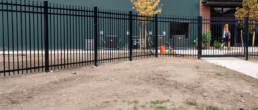
Ornamental metal fencing is one of the most attractive ways to add security and curb appeal to a West Michigan property. Once homeowners and business owners decide on a metal fence, the next question is almost always the same: should it be aluminum or steel? Both materials can look nearly identical from the street, but they behave very differently when it comes to strength, weight, rust resistance, and cost.
In this guide, we break down the real differences between an aluminum fence and a steel fence, including how each one holds up to Michigan winters, what they cost over time, and which types of properties each material suits best. Our goal is to help you walk into your estimate already knowing which direction feels right for your home or business. If you are still deciding whether metal is the right material at all, our comparison of wood vs. vinyl fencing covers two other popular options.
How Aluminum and Steel Fencing Compare for West Michigan Properties
At a glance, ornamental aluminum and ornamental steel share the same classic look: vertical pickets, horizontal rails, and optional decorative accents like finials, rings, or scrolls. The differences show up in how the fence is built and what it can handle.
Strength and Rigidity
Steel is the stronger of the two materials. A steel fence resists bending and impact much better than aluminum, which makes it a common choice where security is the top priority. Aluminum is still sturdy enough for most residential fence projects, but a hard hit from a vehicle, a falling limb, or a determined intruder is more likely to dent or bend it.
Weight and Installation on Sloped Yards
Aluminum is much lighter than steel, which makes it easier to handle and install. Many aluminum panels are also rackable, meaning they can follow the natural grade of a yard instead of stepping down in a stair pattern. That flexibility is helpful on rolling lots and properties with uneven terrain.
Appearance and Style Options
Both materials come in a wide range of styles and powder-coated colors, with black being the most popular choice. Steel can support heavier gauge pickets and more substantial posts, which gives it a bolder presence. Aluminum tends to have a slightly lighter, more refined profile that works well for front yards and decorative borders.
Gates and Hardware
Gates see more daily wear than any other part of a fence, so material choice matters here too. Steel is often preferred for wide driveway gates and high-use entrances because it resists sagging under its own weight. Aluminum works well for walk gates and pool gates, where lighter weight makes self-closing hinges and latches work smoothly year after year.
How Michigan Winters Affect Aluminum and Steel Fences
West Michigan weather is hard on any fence. From Grand Rapids to rural Barry County, lake effect snow, freezing rain, spring thaws, and months of road salt all put stress on materials and finishes. Understanding how each metal responds to those conditions is one of the most important parts of this decision.
Aluminum does not rust. When it is exposed to moisture, it forms a thin protective layer on its surface that keeps corrosion from spreading. That natural resistance makes aluminum a strong fit for wet areas, properties near ponds or lakes, and fence lines that get hit with salty spray from nearby roads and driveways.
Steel, on the other hand, can rust if its protective coating is scratched or chipped. Quality ornamental steel is galvanized and finished with multiple coating layers to prevent this, and premium systems like the Ameristar products we install are built specifically to resist corrosion. Even so, steel fences near busy roads, snow plow paths, or salted sidewalks benefit from a quick yearly inspection so small scratches can be touched up before they become a problem.
Freeze and thaw cycles matter just as much as rust. When the ground freezes, it expands and can push shallow posts out of alignment, a problem known as frost heave. That is why we set our posts below the frost line on every installation. A properly anchored post keeps either material straight and level, season after season, and it is often the difference between a fence that looks great for decades and one that starts leaning after a few winters.
Aluminum vs. Steel Fence Cost and Long-Term Value
Price is a big part of most fencing decisions, and it is worth looking beyond the initial quote to understand the full cost of ownership over the life of the fence.
Upfront Cost
Ornamental aluminum fencing typically costs less than ornamental steel for a similar style and height. Aluminum materials are lighter to ship and faster to install, which helps keep both material and labor costs lower. Steel usually carries a higher price because of its weight, strength, and heavier coating process. Final pricing depends on fence length, height, gate count, terrain, and the specific style you choose. For a broader look at pricing factors, our guide on how much a fence costs in West Michigan walks through the numbers that affect every project.
Maintenance Over Time
Both metals are low maintenance compared to wood. Aluminum generally needs nothing more than an occasional rinse and a quick check for loose hardware. Steel needs the same care, plus attention to any chips in the finish so rust never gets a foothold.
Lifespan and Warranty Coverage
With professional installation and quality materials, both aluminum and steel fences can last for decades in Michigan conditions. Most ornamental metal products are backed by manufacturer warranties, and we stand behind our installation work as well. When you compare quotes, ask about both types of coverage so you know exactly what is protected. It is also worth remembering that a well-built metal fence can add lasting curb appeal, which many homeowners see as part of the return on their investment.
Which Metal Fence Fits Your Property Type in West Michigan?

The right choice often comes down to how you plan to use the fence. Looking at your property type and your main goal usually makes the decision much clearer.
For most homeowners, aluminum is a natural fit. It works well for front yard borders, garden enclosures, and backyards where you want a clear view without giving up curb appeal. Aluminum is also one of the most popular options for pool enclosures because it resists moisture and can be built with the spacing and self-closing gates many pool codes require. If you are planning a pool fence, be sure to check local pool safety requirements before choosing a final height and gate style. Homeowners weighing several options can also compare how metal fits alongside wood, vinyl, and chain link during their estimate.
Steel is usually the better choice when security and durability come first. Businesses, industrial sites, schools, and properties that need to control access often rely on ornamental steel because it holds up to heavy use and discourages climbing and forced entry. Our commercial fence installation team regularly recommends steel for storefronts, office parks, and managed properties.
Some properties benefit from both. A home might use aluminum around the pool and a steel driveway gate at the entrance, while an HOA might choose steel for a main entrance and aluminum for common area borders. Property owners across West Michigan often mix materials this way to balance budget, appearance, and strength. It is especially common in Kentwood, where newer subdivisions and commercial corridors sit side by side.
Common Questions About Aluminum and Steel Fences
These are some of the questions we hear most often from property owners comparing ornamental metal options across West Michigan.
Is an Aluminum Fence Strong Enough for Dogs?
For most dogs, yes. A properly installed aluminum fence with the right picket spacing and height will contain the majority of household pets. For large, powerful breeds or dogs that tend to jump or push against fencing, a taller fence or a steel option may give you extra confidence.
Will a Steel Fence Rust in Michigan?
A quality galvanized and powder-coated steel fence is built to resist rust for many years. Rust usually appears only where the coating has been damaged, so inspecting the fence each spring and touching up any chips keeps it looking its best.
What About Wrought Iron?
Traditional wrought iron is rarely used for new fences today. Modern ornamental steel and aluminum offer the same classic look with far better rust protection and less maintenance, which is why most homeowners choose them instead.
Can Aluminum Handle Heavy Snow?
Yes. The open picket design of ornamental fencing lets snow and wind pass through rather than pushing against a solid surface. Keeping snow blowers and plows from piling heavy snow directly against the fence helps protect either material.
Do Aluminum and Steel Fences Come in Colors Besides Black?
They do. While black is the most common finish, many ornamental systems are also available in bronze, white, and other powder-coated colors. Keep in mind that some neighborhoods limit color choices, so it is smart to confirm what is allowed before you place an order.
Quick Checklist: Choosing Between Aluminum and Steel
Use this quick checklist to narrow down which ornamental metal fence makes the most sense for your property before you schedule an estimate:
- Choose aluminum if you want a lower upfront cost and a fence that will never rust
- Choose aluminum for pool enclosures, wet areas, and properties near salted roads
- Choose aluminum for sloped yards where rackable panels can follow the grade
- Choose steel if security, impact resistance, and access control are top priorities
- Choose steel for commercial properties, busy entrances, and high-traffic areas
- Consider mixing materials when different parts of the property have different needs
- Confirm HOA rules and local permit requirements before finalizing style and height, especially for fence permits in Kent County communities
- Ask about manufacturer warranties and how posts will be set for Michigan frost
If you still feel torn after running through this list, that is completely normal. Many property owners find the answer becomes obvious once someone walks the fence line with them and looks at the terrain, soil, and surroundings in person.
Get Expert Help Choosing Your Metal Fence in West Michigan
Choosing between aluminum and steel is easier with a local expert on your side. Our family-owned team has been building fences across West Michigan since 2002, and we install premium ornamental aluminum and steel systems with posts set below the frost line on every job. When you reach out, we typically visit your property the same day or next day, take accurate measurements, and give you honest recommendations based on how you plan to use the fence. You can learn more about the options we offer on our metal fence page, or skip ahead and Request a Free Estimate today to get started on a fence built to last.
Ready to Start Your Fencing Project?
Whether you need more privacy, better security, pet or livestock containment, or a custom fence built for your property, Alto Fencing Services is here to help. Contact our team today to request your free estimate and get honest recommendations from a trusted local fence company.
Like this article? Spread the word!
Related Posts
HOA Fence Guidelines in West Michigan: What Homeowners Need to Know
Planning a fence in an HOA neighborhood in West Michigan? Learn common height, material,…

5 Signs It’s Time to Repair or Replace Your Fence
Not sure if your fence needs a repair or a replacement? Learn the 5 warning signs, then…
Alto Fencing Services’ Guide to Fence Permits and Regulations in Kent County, MI
Planning a fence in Kent County, MI? Learn about permits, height rules, and HOA…